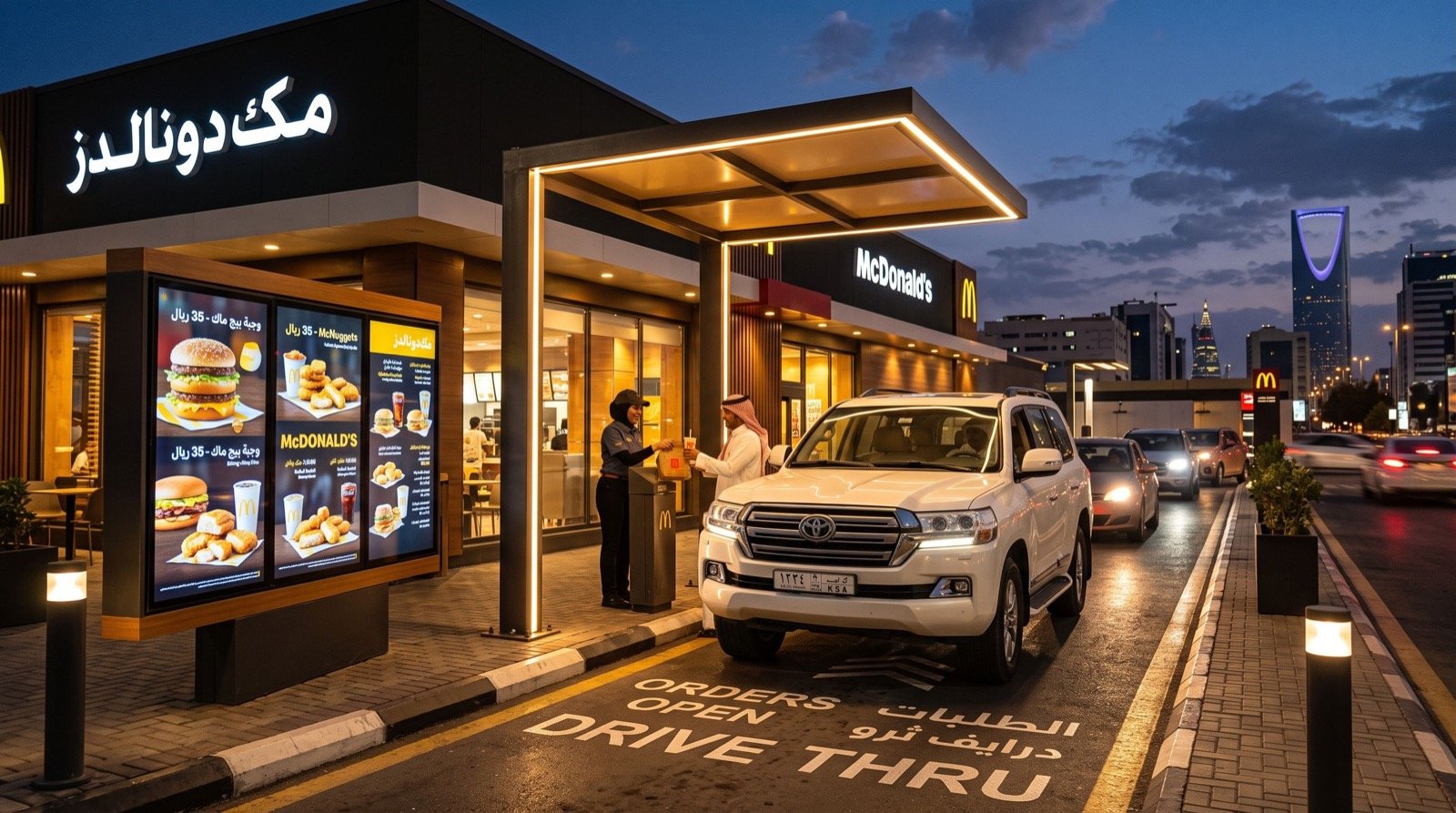
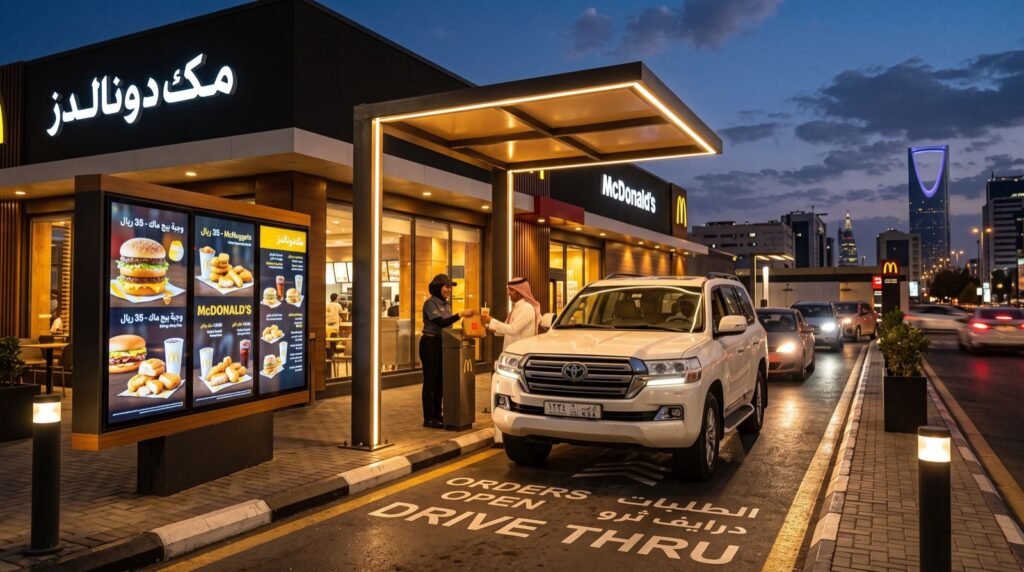
HME Drive Thru in Saudi Arabia: 2026 Rollout Playbook
Scaling an HME drive thru in saudi arabia across multiple cities is one of the smartest investments a restaurant brand can make in 2026. From Riyadh to Jeddah and Dammam, drive-thru lanes carry a growing share of quick-service revenue, and the operators that standardise their audio, timing, and reporting win on both speed and consistency. This playbook explains how to roll out at scale.
A single great lane is good; a fleet of consistently fast lanes is a competitive moat. Getting there means treating drive-thru technology as a national programme, with the same hardware standard, the same metrics, and the same support model in every branch.
Why Standardise Drive-Thru Across the Kingdom?
When every location runs the same HME headset, timer, and reporting stack, head office can compare branches fairly and spot the outliers instantly. Customers also get a predictable experience, whichever city they order in.
Standardisation cuts training time, simplifies spare-part logistics, and makes performance benchmarking meaningful. A branch in Dammam can be measured against one in Riyadh on exactly the same yardstick.
The benefits of a unified standard
- Comparable data: one metric set across all branches.
- Simpler support: identical hardware means faster fixes and shared spares.
- Faster onboarding: crew trained once can work any location.
- Brand consistency: customers get the same speed everywhere.
How Do You Plan a Multi-City Drive-Thru Rollout?
A national rollout succeeds when it moves in disciplined phases rather than switching every site on at once. Start with a flagship pilot, lock the configuration, then replicate.
A five-phase rollout plan
- Pilot: deploy one flagship lane and capture a two-week baseline.
- Standardise: freeze the hardware spec, menu board, and timer zones.
- Train: build a repeatable crew and manager training module.
- Scale: roll out city by city with local support ready.
- Optimise: review national dashboards and target the slowest sites.
Many regional brands also unify their indoor service technology at the same time. Pairing drive-thru rollouts with a queue management system in pakistan for their wider branch network shows how the same group can standardise both lane and counter experience across markets, keeping reporting consistent wherever they operate.
Hardware and Metrics That Travel Well
Choose equipment rated for the Saudi climate and a metric set that means the same thing in every city. The table below outlines a sensible national standard.
| Component | National standard | Why it matters |
|---|---|---|
| Headsets | Noise-cancelling, hot-swap battery | Clear audio in heat, wind, and dust |
| Lane timers | Identical zone definitions | Comparable data across branches |
| Base station | Same model and firmware | Simpler support and spares |
| Reporting | Cloud dashboard, head-office access | National benchmarking in real time |
| Menu boards | Digital, centrally managed | Instant price and promo updates |
The metrics that define success
Track total lane time, greet time, and order accuracy at every site. Research featured by the QSR Magazine drive-thru studies consistently links faster, more accurate lanes to higher repeat visits, which is why these three metrics belong on every manager’s daily screen.
Managing Climate, Uptime, and Support
Saudi Arabia’s climate is demanding on outdoor hardware, so preventive maintenance and local spare-part availability are non-negotiable for a reliable national network.
Keeping every lane running
- Schedule preventive maintenance before peak seasons.
- Stock critical spares regionally to avoid downtime.
- Set a guaranteed on-site response time in the support contract.
- Monitor battery health so no headset dies mid-rush.
Choosing the Right Rollout Partner
A national programme lives or dies on execution. Engage trusted professionals who can survey sites in every target city, install to one standard, train crews consistently, and guarantee fast support, so growth never outpaces reliability.
Partner evaluation checklist
- Do they cover every city in your expansion plan?
- Can they hold a single hardware standard across all sites?
- Is cloud reporting unified for head-office benchmarking?
- What are the SLAs for installation and ongoing support?
Budgeting and Phasing the Investment
A national programme is easier to approve when the budget is phased against proven results. Fund the flagship pilot first, measure the service-time improvement, then use that evidence to release capital for each subsequent wave of cities.
Splitting the investment this way reduces risk and keeps finance teams confident, because every new tranche is backed by real numbers from branches already live. It also spreads installation effort so your support partner is never overstretched.
How to phase the spend
- Wave one: flagship pilot plus two nearby branches to confirm the standard.
- Wave two: remaining high-traffic city-centre sites.
- Wave three: suburban and lower-volume locations.
- Ongoing: a refresh reserve for batteries, headsets, and firmware upgrades.
Factor total cost of ownership into every wave, not just the upfront hardware. Batteries, maintenance visits, and the occasional headset replacement are predictable costs that belong in the plan from the start.
Training and Change Management at Scale
Rolling out to dozens of branches means training hundreds of crew members without diluting quality. Build one certified training module and a short refresher, then appoint local champions who coach new starters and keep standards sharp.
Change management matters as much as hardware. Explain to crews why faster, more accurate lanes help them during the rush, and celebrate branches that hit their service-time goals so the standard becomes a point of pride rather than a mandate from head office.
Appoint regional coordinators who visit branches, audit audio quality, and refresh training every quarter. This light governance layer keeps a fifty-site network aligned long after the initial excitement of launch fades, and it catches drift before it shows up in the numbers.
Frequently Asked Questions
How long does a national HME drive thru in Saudi Arabia rollout take?
After a successful flagship pilot, brands typically roll out city by city over several months, with each new site going live faster because the configuration and training are already proven.
Can head office compare all branches on one dashboard?
Yes. Cloud-based reporting consolidates lane times and accuracy from every location, letting head office benchmark branches and target the slowest performers in real time.
Is the hardware suitable for the Saudi climate?
Professional drive-thru equipment is rated for heat and dust, and with preventive maintenance and weather-ready speaker posts it stays reliable through demanding summer peaks.
Can indoor queue systems be rolled out alongside drive-thru?
Many groups standardise both at once, pairing drive-thru audio and timers with in-branch queue management so counter and lane experiences are measured on consistent data.
Conclusion
A standardised HME drive thru in Saudi Arabia gives multi-city brands the consistency, comparable data, and reliability they need to grow without sacrificing speed in 2026. Pilot one flagship lane, freeze a national hardware and metric standard, and scale city by city with trusted professionals handling installation and support. Set your standard now, and every new branch you open will launch fast from day one.